Field Trip to FOSDEM 2025: Open Source Adventures in Brussels
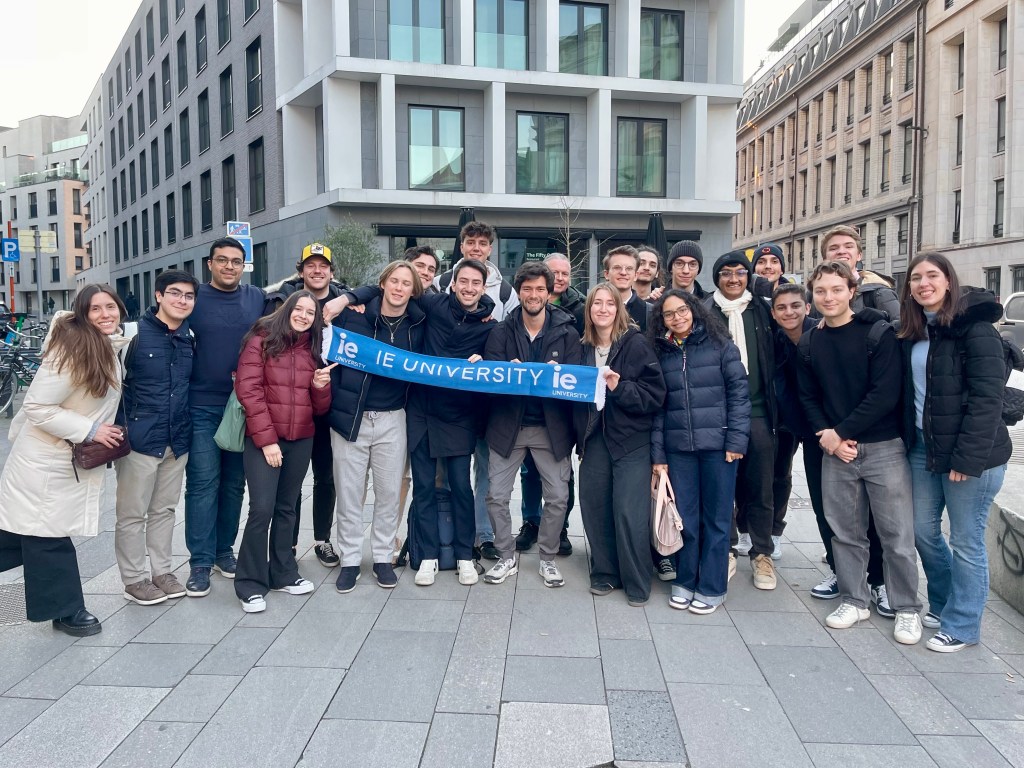
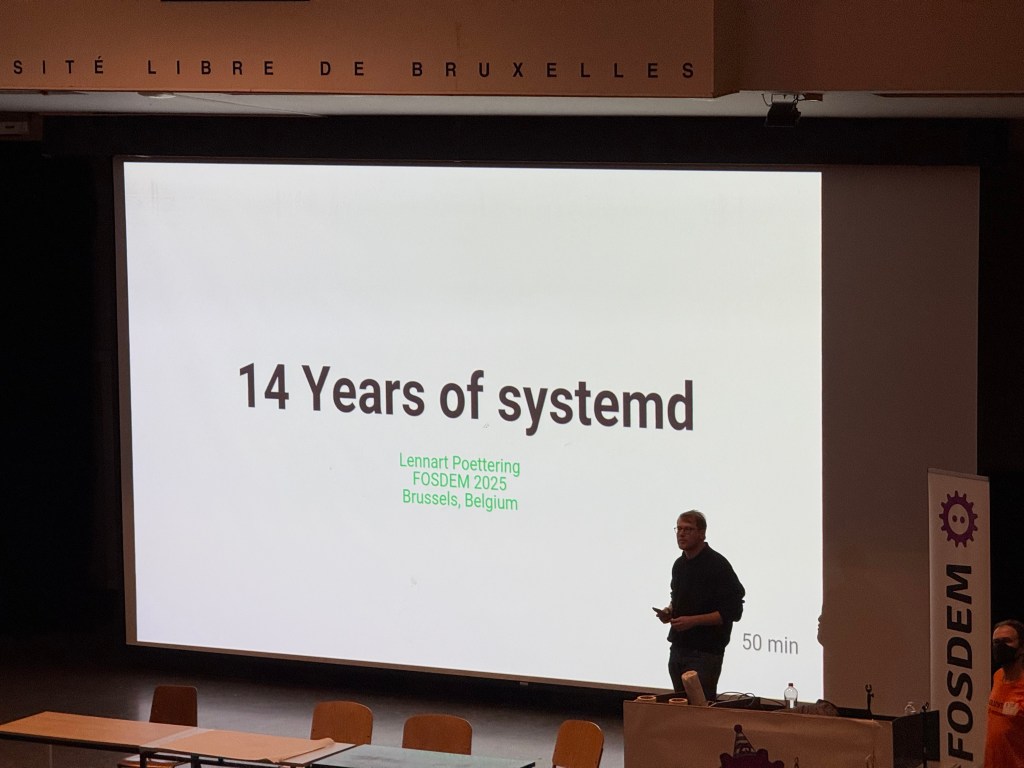
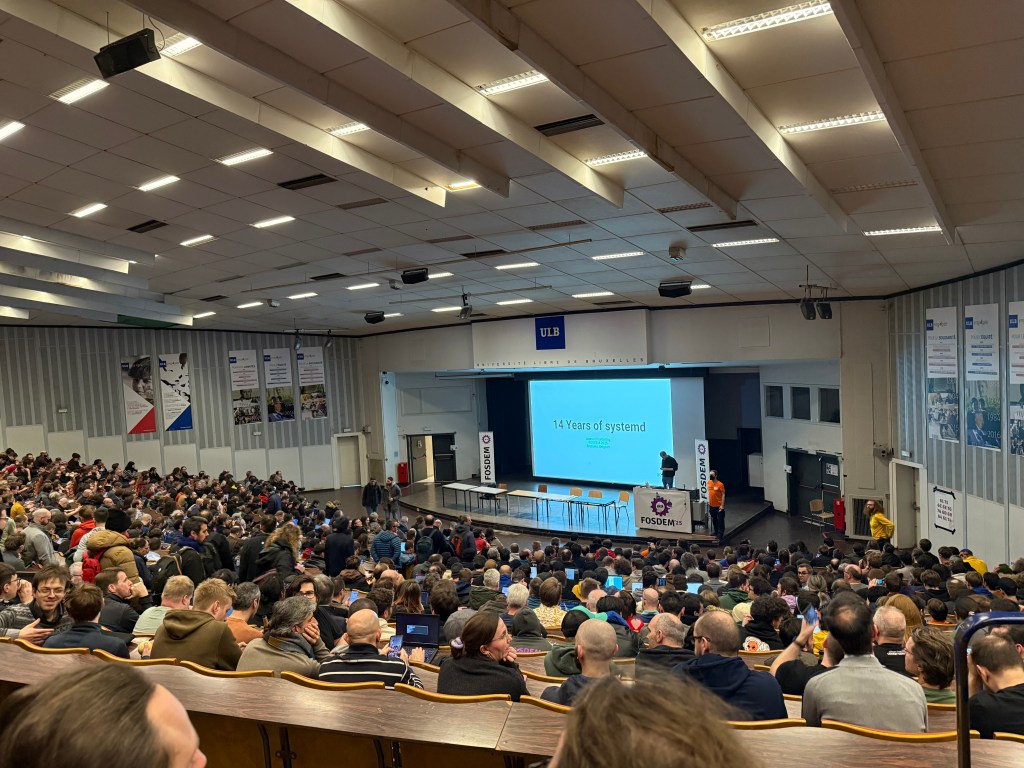
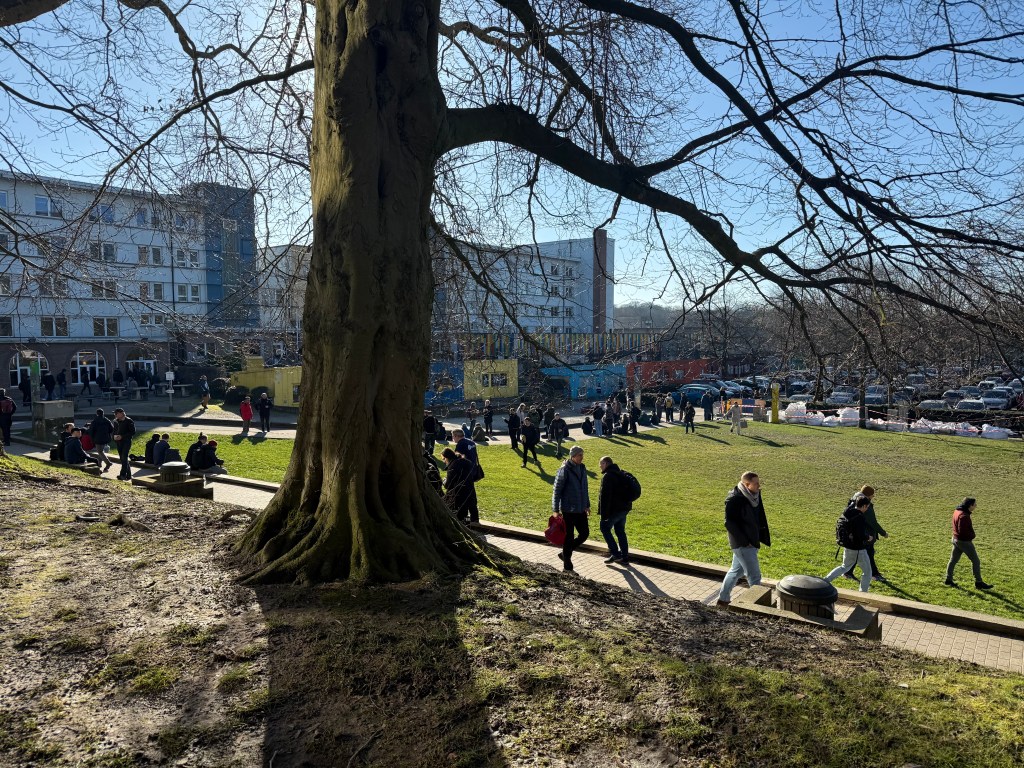
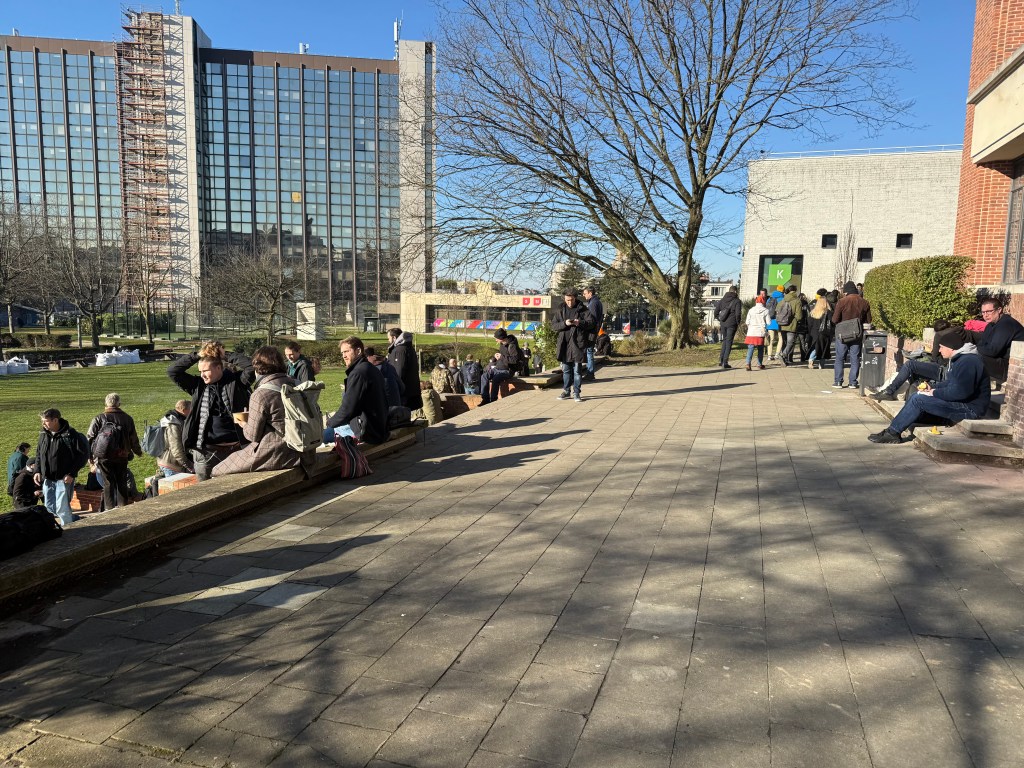
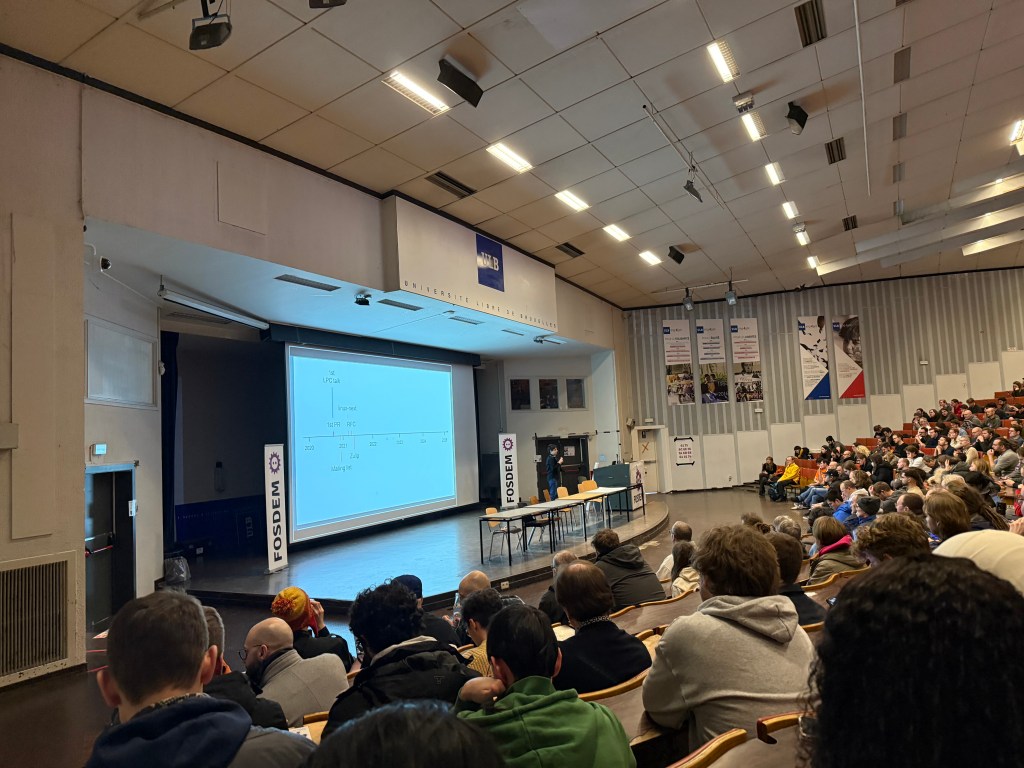
Earlier this February, a group of our computer and data science students embarked on a field trip to Brussels to attend FOSDEM 2025. For those unfamiliar, FOSDEM (Free and Open Source Developers’ European Meeting) is the biggest all-over-the-place FOSS developer conference in Europe, and possibly the world . This year’s edition drew over 8,000 attendees and featured around 1,100 talks across 70+ tracks over two days . Held on the campus of the Université Libre de Bruxelles, FOSDEM is a free-to-attend event that brings together thousands of open-source enthusiasts from around the globe. Our students were immersed in cutting-edge tech talks, workshops, and a vibrant community of developers. The experience was both educational and inspiring, mixing intense learning with networking and cultural exploration.
For our students, this trip was a chance to see beyond textbooks and witness the latest industry trends in action. In this blog post, we highlight some of the high-quality talks and themes that captivated them, the energetic atmosphere of the conference, and memorable moments from exploring the beautiful city of Brussels. The goal is to share insights with students and faculty alike – and perhaps inspire similar academic adventures in the future.
Conference Highlights: Engaging Talks and Key Topics
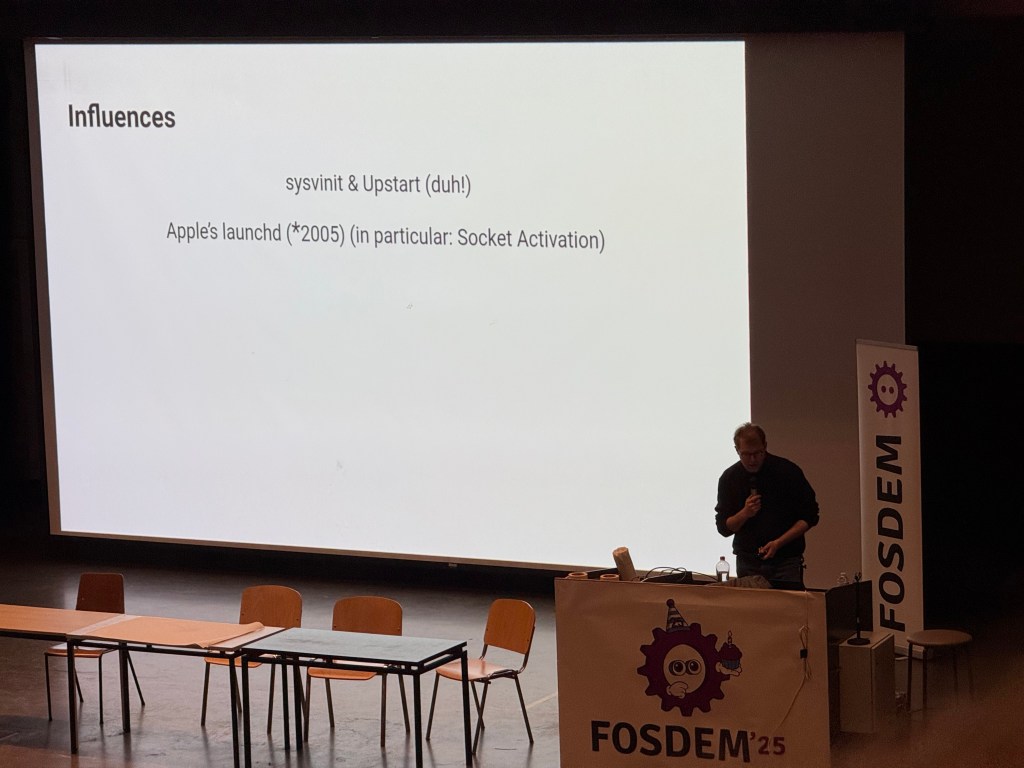
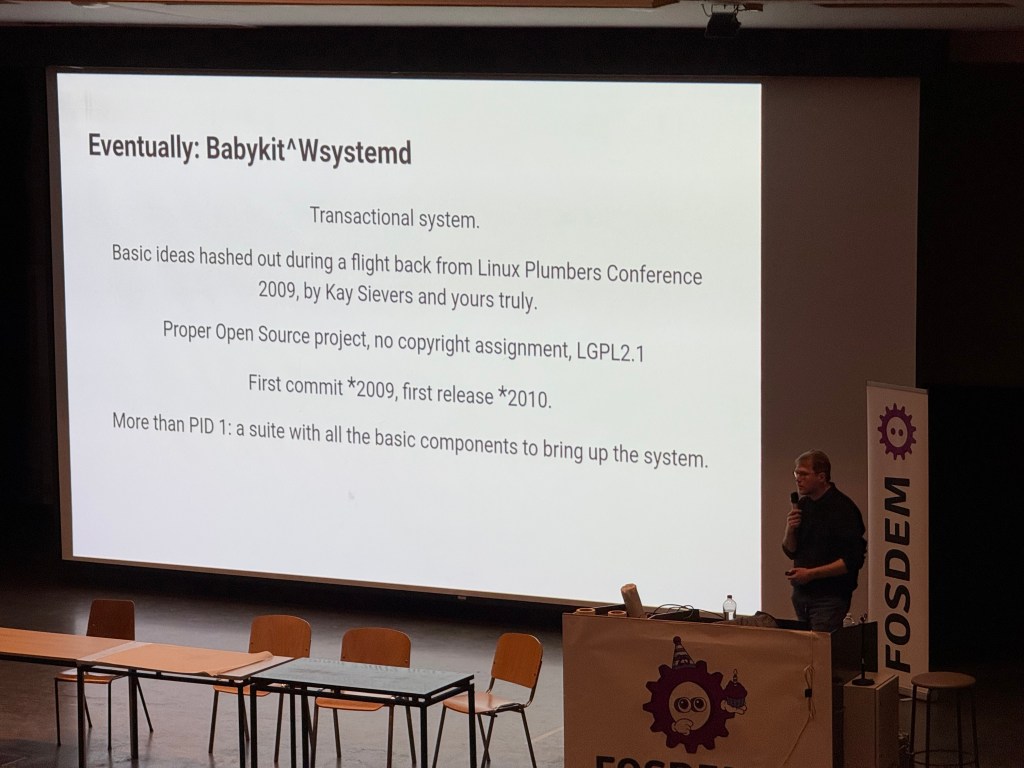
FOSDEM 2025’s program was jam-packed – with dozens of specialized “devrooms” and main tracks running in parallel, there was something for everyone. Our cohort split up to cover as much ground as possible, attending sessions aligned with their interests, from open-source community case studies to deep dives into AI. Some of the most engaging talks and themes they encountered included:
Open Source Collaboration in Action
One talk by a Nextcloud developer showcased how an open-source alternative to Microsoft 365 is balancing rapid feature growth with platform stability – in fact, roughly 70% of Nextcloud’s development effort goes into fixing bugs and refining usability, rather than adding new features . Another session examined the UK’s COVID-19 tracing app as a case study in open-sourcing government software, highlighting the cultural shifts and ethical considerations needed when making public sector code open source . These real-world examples drove home the point that successful open-source projects require not just innovation, but also community care and trust-building.
AI and Machine Learning Trends
Artificial Intelligence was a hot topic throughout FOSDEM last year, but it was noticeable absent from the main stage except for one presentation (that I saw, at least). In one talk, an engineer explored using Large Language Models (LLMs) to detect email spam – and found that while AI models can flag spam, they didn’t significantly outperform traditional Bayesian filters, and came with much higher computational cost.
Data Analytics and Big Data
Data was front-and-center in many sessions. In the new Data Analytics DevRoom, contributors shared open-source tools for every step of the data pipeline – from ingestion and stream processing to storage and visualization . Meanwhile, the dedicated HPC, Big Data & Data Science track showcased how open tools are powering serious research. For instance, one talk demonstrated techniques for preserving Large Hadron Collider analysis data for future reuse, and another introduced efficient C++ histogramming for crunching massive scientific datasets . These talks resonated with our data science students, showing how the skills they learn can apply to real-world, big-data challenges in both industry and academia.
Cloud, DevOps, and Containers
Another prominent theme was the evolution of cloud infrastructure and DevOps. Engineers discussed container technologies moving beyond Docker – for instance, methods for running containers rootless (without requiring admin privileges) and using systemd “Quadlet” files to let Linux manage containers natively . A particularly intriguing talk introduced WebAssembly (WASM) as a lightweight alternative to traditional containers, potentially offering more secure and efficient sandboxing for applications . Entire devrooms were dedicated to Kubernetes, CI/CD, and infrastructure-as-code tooling. There was even a new Robotics & Simulation devroom making its debut, which was packed full of enthusiasts all day – a testament to how rapidly emerging domains (like open-source robotics) are gaining interest. Clearly, cloud and automation skills remain highly relevant, and our students were excited to see the state-of-the-art approaches discussed by experts.
• Security and Privacy Discussions
Security wasn’t left out of the conversation. One talk on Verifiable Credentials and zero-knowledge proofs drew attention to the growing push for privacy-preserving digital identity – emphasizing the rising interest in self-sovereign identity systems that give users control of their data . Other sessions focused on open-source security tools and best practices, from supply-chain security to encryption. These discussions underscored for students that keeping software safe and protecting user privacy are critical parts of development. It was impactful to see how open-source communities are collaborating to tackle security challenges head-on, rather than treating security as an afterthought.
• Diversity and Inclusion in Tech
A standout non-technical talk explored the evolving role of women in computer science. The speaker, Laura Durieux, presented historical data showing that the percentage of women in the CS field actually declined after the 1980s – in stark contrast to fields like medicine and law, which saw steady growth in female participation . This eye-opening talk highlighted many unsung contributions of women in tech and spurred discussions on why the drop-off occurred. For our students, it was a powerful reminder of the importance of fostering diversity and inclusion. The session sparked ideas about how universities and communities can encourage more women and underrepresented groups to thrive in computer science – a message that many found inspiring and highly relevant as they prepare to enter the tech industry.
The FOSDEM Experience: Energy, Networking, and Learning
Bustling Halls and Booths
FOSDEM’s atmosphere was electric. The hallways of ULB were lined with booths from dozens of open-source projects, giving our students a chance to explore everything from tiny IoT devices and DIY hardware gadgets to cutting-edge cloud tools. Students could engage directly with project maintainers – asking questions, getting hands-on demos, and snagging stickers and brochures. It was thrilling for them to connect the software and tools they use in class to the real people and communities behind those projects. This kind of up-close interaction made the learning immediate and fun, as theoretical concepts came to life in front of their eyes.
Networking and Community Spirit
Apart from the scheduled talks, the networking opportunities were invaluable. With thousands of FOSS enthusiasts milling about, chance conversations were everywhere – whether after a presentation, in a “Birds of a Feather” meetup, or just while grabbing a snack at a food truck . It’s not often you can casually bump into the lead developer of a library you use daily, or chat with contributors of a major open-source project, but at FOSDEM those encounters happen all the time. Our students found it eye-opening to meet and talk with passionate developers from around the world. As one attendee put it, FOSDEM is “a great place to talk to the people that make the software we use every day and to get new ideas” . Indeed, many students walked away with new contacts and even informal mentorship offers. The event really demonstrated the value of community – showing that behind every open-source tool or dataset they’ve studied, there’s a friendly community willing to share knowledge.
Inspiration Beyond the Classroom
Experiencing the open-source community in person was deeply energizing for the students. Even if they didn’t catch every technical detail in a talk, just being surrounded by so much enthusiasm and expertise was motivating. Seeing so many passionate people tackling all sorts of tech challenges is a great reminder that each individual’s contribution matters, and together they build something greater than the sum of its parts . Classroom concepts took on new meaning as students saw how those ideas are applied in projects pushing the boundaries of technology. By the end of the weekend, our group was brimming with excitement – discussing new tools to try out, brainstorming project ideas, and sharing plans to contribute to open-source initiatives. It’s fair to say the conference ignited a spark of creativity and confidence. This kind of experience, where academic learning meets real-world practice, is invaluable for professional growth. Many students commented that they came back not only with new knowledge, but also with a sense of belonging to the global tech community.
Exploring Brussels: Culture and City Highlights
Historic Charm at Grand Place
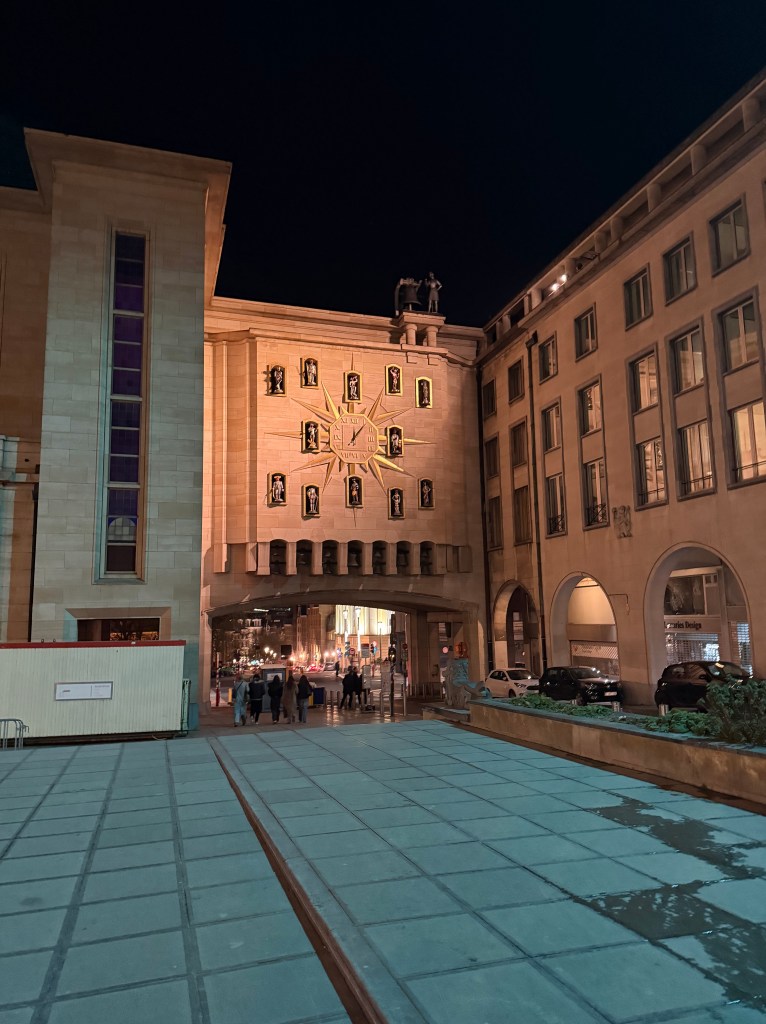
No trip to Brussels would be complete without taking in some of the city’s culture and sights. In the evenings after the conference, our group explored the historic city center – especially the Grand Place, Brussels’ famous central square. We were awestruck by the ornate medieval guildhalls and the towering Town Hall, which were beautifully illuminated at night (the whole square glowing in golden light). The Grand Place is often cited as one of Europe’s most beautiful squares, and standing there it was easy to see why. The lively atmosphere – with street musicians, bustling cafés, and visitors from around the world – provided a perfect backdrop to unwind after a day of tech talks. Of course, we also indulged in Belgian culture via its cuisine: students savored crispy frites (fries) with mayonnaise, sampled rich Belgian chocolate and gooey waffles, and yes, some even tried a refreshing local Belgian beer. The combination of architecture, history, and food made our downtown evenings truly memorable.
Conclusion and Takeaways
By the end of our journey, it was clear that the field trip to FOSDEM 2025 had been a tremendous success. The students returned home brimming with new knowledge, inspiration, and even a few souvenirs from the conference. More importantly, they gained first-hand insight into how concepts from their courses are applied in the real world – whether it was seeing a live demo of a tool they’d only read about, or understanding the community effort needed to sustain an open-source project. For us faculty, it was gratifying to watch our students engage so deeply outside the classroom and to see them motivated by real-world challenges and innovations.
Attending FOSDEM not only expanded the students’ technical horizons, but also gave them a taste of the collaborative spirit at the heart of open source. As one observer aptly noted, the open-source world “thrives on collaboration, curiosity, and community” – and our field trip embodied exactly that. The combination of energizing talks, hands-on learning, and cultural exploration made for an enriching experience that no lecture or textbook could replicate. We wholeheartedly encourage other student groups and faculty to consider similar trips. The benefits of immersing students in a professional tech conference – from networking with industry experts to gaining global perspective – are well worth the effort.
FOSDEM 2025 will certainly be an event we talk about for a long time. The students came back more confident, knowledgeable, and connected, with many already planning to pursue projects they discovered at the conference. As we look ahead, we’re excited to continue bridging academic learning with the vibrant world of open technology. This trip showed us what’s possible when you take education on the road, and we’re already thinking about where our next tech adventure might take us – until then, au revoir and bedankt, Brussels!
 Robert Polding's Home
Leave a comment