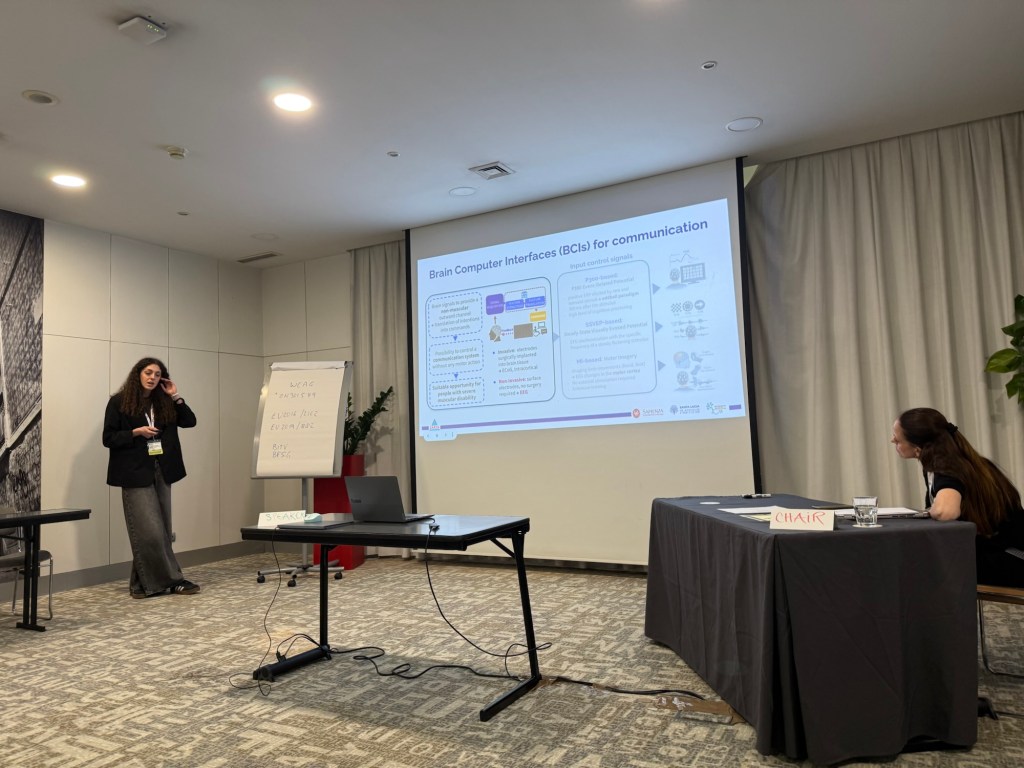
Writing this from Lisbon with INFOCOMP 2026 winding toward its close tomorrow. It has been a full week at the Mercure Lisboa for the DataSys 2026 cluster of conferences, and as a member of the steering committee I tend to arrive with a bias toward optimism about the program. This year’s edition really did deliver though. Strong papers, some genuinely interesting panels, and the kind of corridor conversations that make the trip worth it on their own.
I was honoured to open things up on Sunday afternoon with a keynote on “Rise of the Robots: From Mechanical Turtles to Intelligent Humanoids”, tracing a line from Grey Walter’s tortoises in the late 1940s through to the current wave of humanoid robots. Setting that up against the rest of the week’s keynotes on AI reasoning, cybersecurity, IoT, and AI-based path planning made for a varied and interesting selection of themes.
What stood out
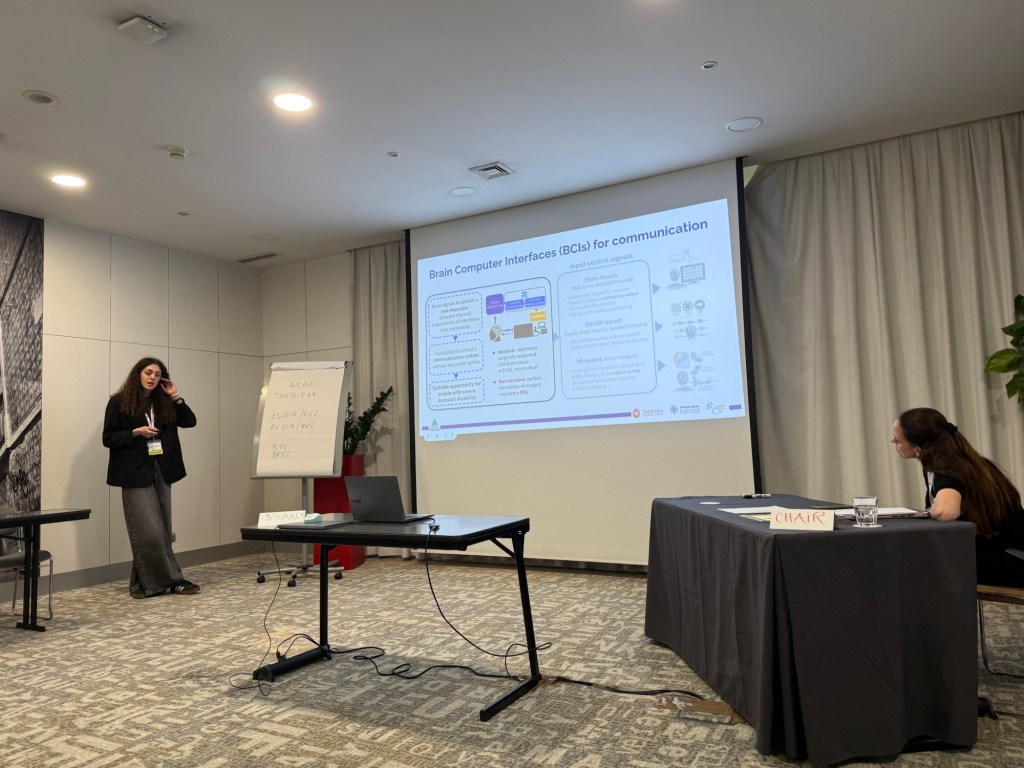
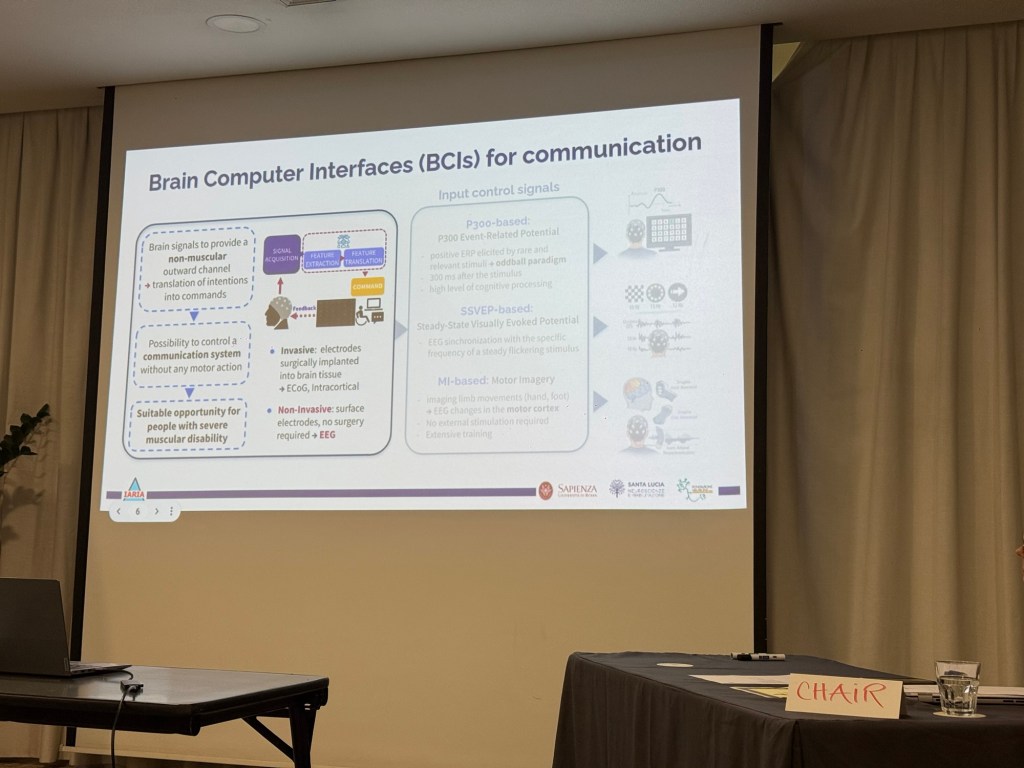
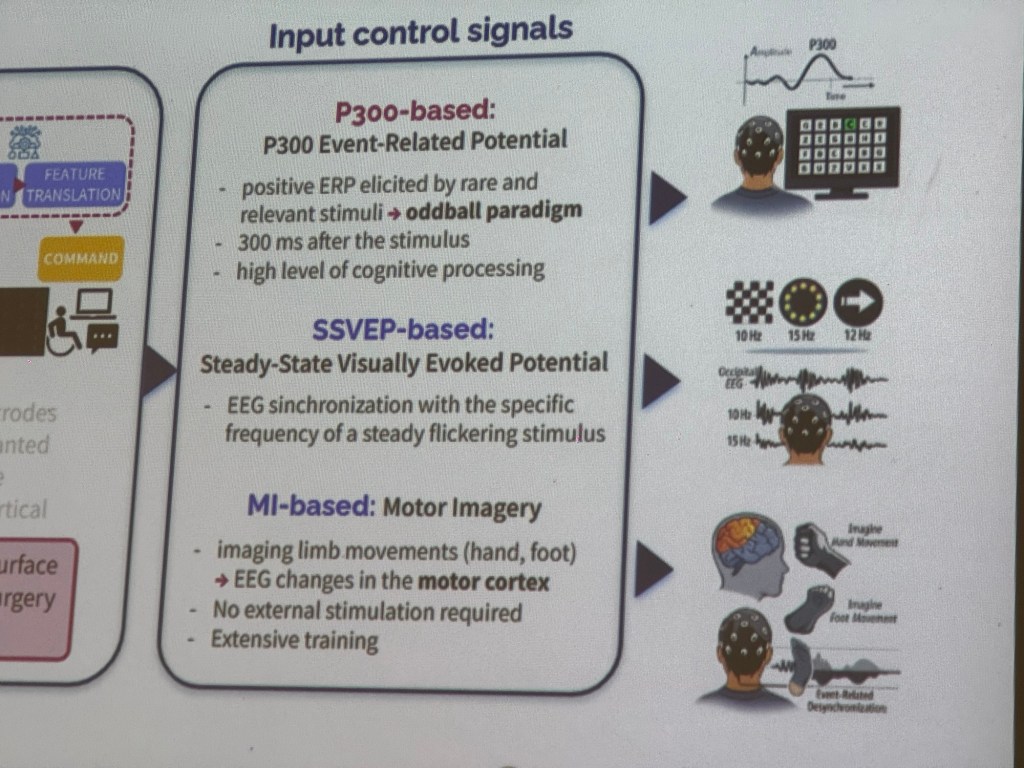
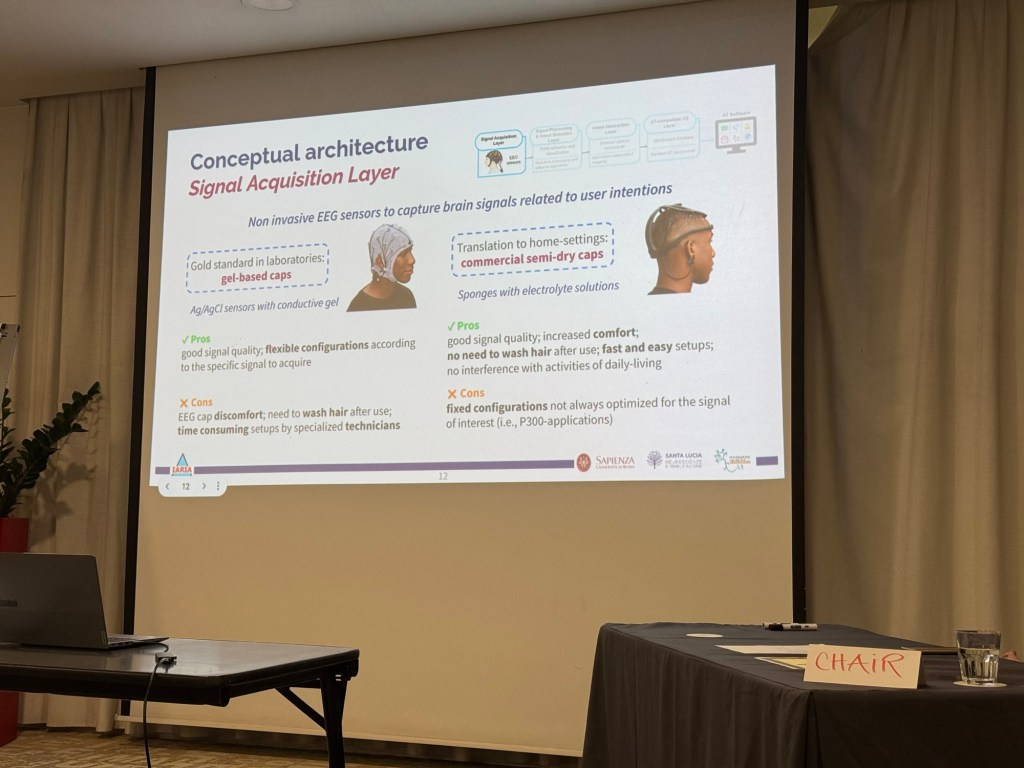
For me the most compelling thread running through the week was the work on brain-computer interfaces. Alessandro Leone and Valentina Caracci’s paper on reframing BCIs as plug-and-play assistive peripherals was a properly practical take on a field that can tip quickly into speculation. Carlos Peña’s talk on US regulatory perspectives for BCI devices was a useful counterpart; the hardware and the pathway to getting it into anyone’s hands are really two different problems. And Jayfus Doswell’s session on BCI for AI-augmented cognition, including the AI-JiNi nurse training prototype, pulled the education and healthcare angles into sharp focus.
Voice and multimodal interaction also had a strong showing. Nana Schlage’s hybrid cognitive architecture for multimodal and multilingual human-machine interaction was one of those papers that quietly does a lot of work. André Frank Krause’s Amica project, building an accessible multimodal conversational assistant for school children with intellectual disabilities, was exactly the sort of grounded, user-centred application of the technology that I wish we saw more of. Looking forward to the open discussion on “Useful Conversational Chatbots or Social Junk Food?” tomorrow for the closing session, which will made for a nice balance across the week covering every angle.
The HCI conversations
Beyond the sessions, I spent a fair amount of time talking with other UX researchers who were in town. It was lovely to meet people from as far afield as Australia and Romania. The recurring theme was essentially the same question in different guises; as interfaces become more conversational, more ambient, and more adaptive, what does “user-centred design” actually mean? How do you run usability studies on a system that reshapes itself in response to the user? How much of classical HCI methodology still carries over, and how much needs rebuilding from scratch for multimodal and agentic systems?
Nobody had a clean answer, which is probably the point. The field is still working out what the right questions are. But the conversations were easily among the most energising parts of the week for me, and I came away with a much longer reading list than I arrived with.
Lisbon
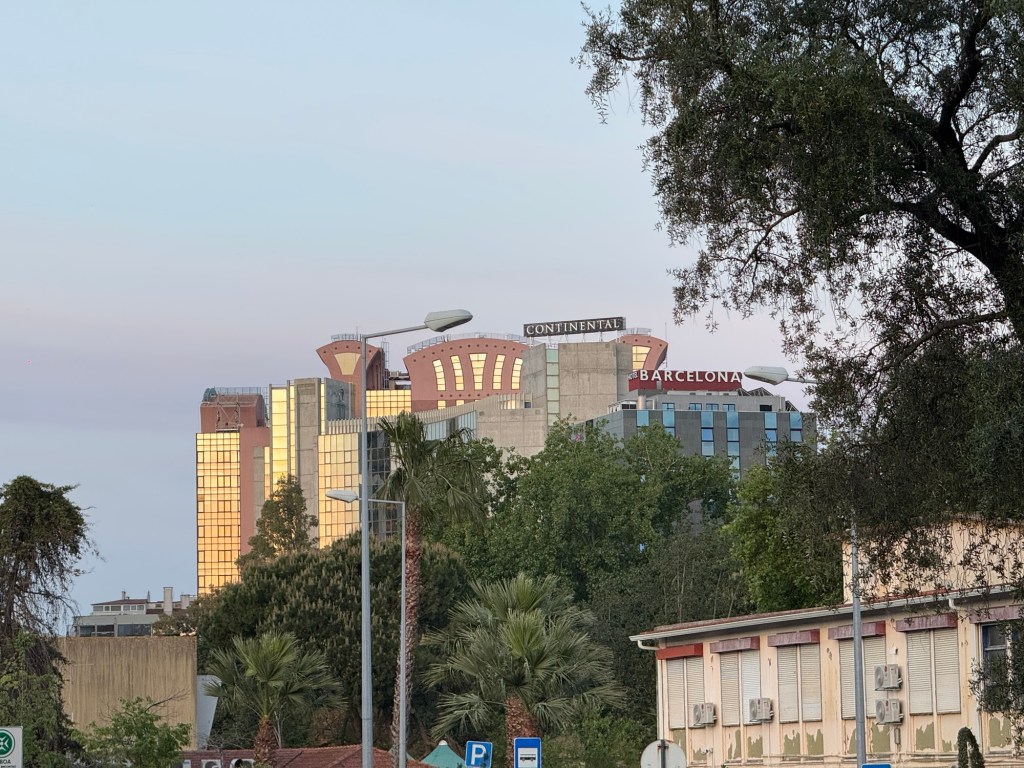
And then there is Lisbon itself, which is one of my favourite cities in Europe. I even stumbled upon an amazing vegan supermarket and bakery right around the corner from my hotel. Walking through Alfama in the evening, with fado drifting out of doorways, is one of those experiences that reminds you why conferences in beautiful cities are not a frivolous extravagance. The place shapes the conversations.
Closing thoughts
Heading home with a notebook full of follow-ups, a few papers to chase down, and plenty to think about on the plane back to Madrid. Thanks to Petre Dini and the rest of the organising team for another well-run event, and to everyone I spoke with during the week. Already looking forward to next year.


Leave a comment