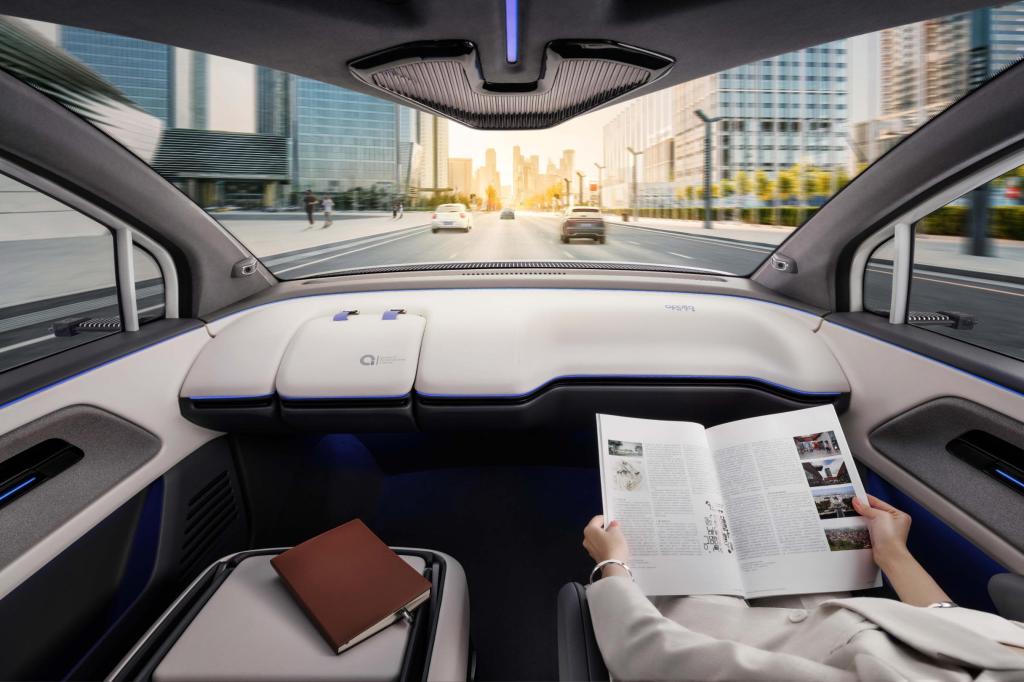
We’ve all heard the promise for years that someday soon, you’ll be able to hop in your car, kick back with a coffee, and let the vehicle handle your morning commute. But despite all the hype, a world where cars truly drive themselves has always felt like it was perpetually ten years away.
Well, the future just got a whole lot closer.
In a massive win for the autonomous vehicle world, the United Nations recently adopted the very first set of global rules for fully self-driving cars. This is the green light automakers have been waiting for to finally bring this technology to the masses safely.
Taming the Wild West of Self-Driving Tech
Until now, building a self-driving car was a bit like driving without a map. Automakers were navigating a confusing gray area where every country was trying to invent its own rules. Imagine trying to build a car that is perfectly legal in the US, but somehow breaks the law the second it crosses into Canada.
By passing this new global framework – backed by major heavyweights like the US, China, the EU, and Japan – the UN has essentially created a universal rulebook. This means car manufacturers finally have the clear guidelines they need to roll out their innovations worldwide, and we, as passengers, can feel confident that the cars we share the road with actually know what they’re doing.
Better Than a Human
So, how safe does a robot car actually need to be? The UN’s answer is simple: better than us.
Let’s be honest, human drivers aren’t perfect. We get distracted, we get tired, and we occasionally suffer from road rage. The new regulations demand that an autonomous driving system must match – or actually exceed – the skills of a competent human driver.
Because the AI is going to handle absolutely everything from parallel parking to merging onto a busy highway, automakers can’t just promise their cars are safe; they have to prove it. Before these cars hit our neighborhoods, they have to pass brutal simulations, closed-track exams, and intense real-world trials to prove they understand the rules of the road.
A Built-In Safety Net
The most reassuring part of this new agreement is that the UN isn’t just handing out permanent licenses. Car companies are going to be held accountable long after the vehicle leaves the dealership lot.
Here is how they are keeping the tech in check:
- Constant Check-Ups
- Car manufacturers have to continuously monitor and report on how their vehicles are performing out in the real world to ensure the AI doesn’t develop any bad habits over time.
- A Car “Black Box”
- Just like airplanes, these self-driving cars will be required to have data storage systems. If an incident does happen, investigators will have the data they need to figure out exactly what went wrong.
- Audited Safety
- The entire life cycle of the car’s brain, from the first line of code to the day the car is retired – has to be backed by strictly audited safety systems.
No Steering Wheel? No Problem
Interestingly, the UN didn’t just write new rules; they went back and updated about 90 existing vehicle laws to make room for cars that don’t look anything like the ones we drive today.
By tweaking the old rules, they have legally cleared the way for cars that don’t even have traditional driver controls. We are officially one step closer to stepping into futuristic, lounge-style cabins that don’t even bother installing a steering wheel or brake pedals.
What Happens Next?
These new regulations officially go into effect in just about a month.
While you probably won’t see fully driverless pods taking over your neighborhood tomorrow, this global handshake was the massive, missing puzzle piece the industry needed. By putting safety and teamwork first, the path is finally clear for the autonomous era.
What do you think? Are you ready to take a nap in the backseat while your car does the driving, or are you still a little hesitant to trust the AI? Let us know in the comments!


Leave a Reply