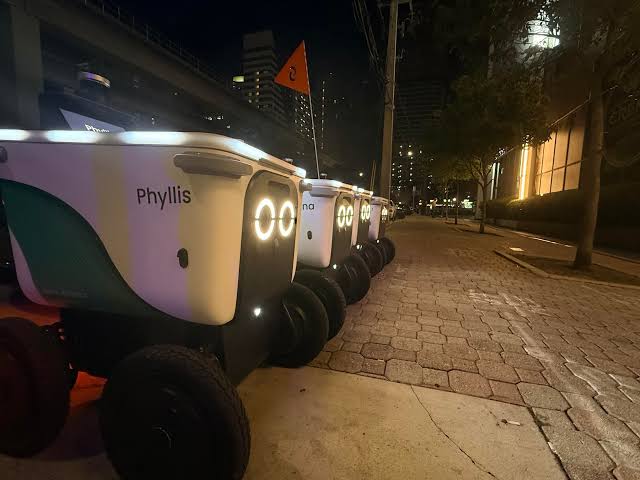
It’s just past 10 PM at a farmers’ market in Shenzhen. The daytime rush has finally faded, but for grocery store managers like Zhang Chao, the work isn’t quite done. Instead of waiting for an exhausted human courier to arrive for a late-night pickup, Zhang taps a button on his phone. A few minutes later, a boxy, driverless van quietly pulls up. He loads up his produce, and the machine zips off into the dark at 45 kilometers an hour.
This isn’t a glimpse into a distant sci-fi future – it’s a regular night in Shenzhen. Since March, the city has effectively handed its streets over to autonomous delivery vehicles after the sun goes down.
At the center of this massive social and technological experiment is Neolix, a startup running a fleet of 27,000 driverless vans. By moving their operations to the graveyard shift, they are tackling one of modern life’s most exhausting jobs.
The Human Toll of “Fast Shipping”
China moves a staggering 520 million parcels every single day. Getting all those boxes to our front doors usually falls on the shoulders of human drivers who make well over 100 stops a day, battling brutal heat, heavy traffic, and crushing deadlines. It is exhausting, repetitive work.
A robot, on the other hand, doesn’t get tired at 3:00 AM. It doesn’t need overtime pay, and it doesn’t mind driving through a midnight downpour. By taking over the night shift, these machines bypass daytime gridlock, utilize empty roads, and – most importantly – take the physical burden off human workers who are increasingly unwilling to take on such punishing jobs.
Navigating the Dark
Driving down an empty street at 2:00 AM sounds easy, but the night brings its own messy realities. Late-night pedestrians are unpredictable, oncoming headlights cause blinding glare, and rain makes roads dangerously reflective.
Beyond just staying on the road, the real headache for developers is what happens at the end of the trip. During the day, there is usually a human around to help unload a van or wave the driver toward the right loading bay. At night, the robot is entirely on its own. It has to independently figure out the chaotic physical logic of an unmarked restaurant back door or a pitch-black warehouse entrance.
To make this work, the robots rely on a layered combination of sensors to “see” the world when cameras fail.
A Glimpse of the Future
Shenzhen isn’t just letting these companies figure it out alone. The local government has actively stepped in to help, installing anti-glare streetlights and creating specific emergency rules just for autonomous night driving.
Combined with China’s massive supply chain and the sheer volume of daily deliveries providing endless training data, the environment is perfect for this technology to grow fast. With tech giants like Meituan and JD.com aggressively expanding their own nighttime fleets, the 24-hour automated city is no longer a concept – it is actively being built while the rest of us are sleeping.


Leave a Reply